
3mm float glass cut to size
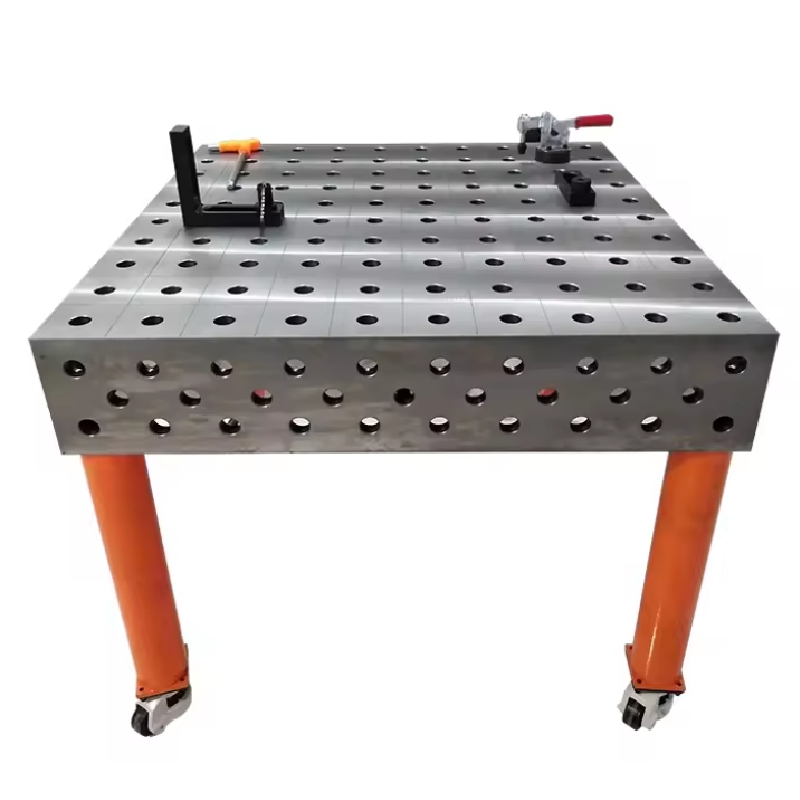
In the realm of manufacturing and engineering, the significance of cast iron T slot plates cannot be overstated. These robust and versatile surfaces are essential for precision work, particularly in fields such as robotics and automation testing. The unique properties of cast iron, including its excellent rigidity and stability, make it an ideal material for creating a reliable testing environment. When engineers and technicians require a flat, stable surface for mounting equipment, conducting measurements, or assembling components, iron surface plates serve as the backbone of their operations. The use of cast iron T slot plates ensures that the equipment remains firmly in place, allowing for accurate results and reducing the risk of errors that could arise from a less stable surface. Moreover, the design of cast iron T slot plates features integrated slots that facilitate the easy attachment of various tools and fixtures. This adaptability is crucial in robotics, where different configurations may be needed for various tests or setups. The ability to customize the arrangement of equipment on the plate enhances operational efficiency and workflow. As the demand for automation and robotics continues to grow, the reliance on high-quality metal fabrication tables becomes increasingly important. These tables not only support the physical components but also contribute to the overall quality of the testing process. In addition to their practical applications, cast iron T slot plates are also known for their longevity and durability. Unlike other materials that may warp or degrade over time, cast iron maintains its structural integrity under heavy loads and rigorous use. This characteristic is particularly advantageous in environments where precision is paramount, such as laboratories and manufacturing facilities. As industries evolve and the need for automation increases, the role of iron surface plates in ensuring consistent quality and performance will only become more critical. Utilizing Iron Surface Plates in Robotics Testing The integration of iron surface plates in robotics testing offers numerous advantages that enhance the overall effectiveness of the testing process. When conducting tests on robotic systems, it is essential to have a stable and flat surface to ensure accurate measurements and reliable performance evaluations. Cast iron T slot plates provide this stability, allowing engineers to focus on the intricate details of their robotic designs without the distraction of a shifting or unstable platform. In robotics, precision is key. Even the slightest deviation in measurements can lead to significant issues in performance. By utilizing iron surface plates , engineers can conduct tests with confidence, knowing that their equipment is securely anchored. This is especially crucial during dynamic testing scenarios where robots are subjected to various movements and forces. The ability to maintain a consistent testing environment is vital for obtaining reliable data, which in turn informs design improvements and optimizations. Furthermore, the versatility of metal fabrication tables allows for easy modifications and adjustments during testing. Engineers can quickly attach different fixtures or sensors to the cast iron T slot plates , adapting the setup to meet specific testing requirements. This flexibility not only saves time but also enhances the overall efficiency of the testing process. As robotics technology advances, the need for adaptable and reliable testing environments will continue to grow, making iron surface plates indispensable tools in the field. The Role of Metal Fab Tables in Automation Testing In the context of automation testing, metal fab tables play a crucial role in ensuring the precision and reliability of automated systems. These tables, often constructed from durable materials like steel, provide a solid foundation for testing various automation components. The integration of cast iron T slot plates into these tables further enhances their functionality, offering a stable surface for mounting sensors, actuators, and other essential equipment. Automation testing often involves the evaluation of complex systems that require precise alignment and positioning. By utilizing iron surface plates , engineers can ensure that all components are accurately positioned, minimizing the risk of errors during testing. The stability provided by cast iron T slot plates is particularly beneficial in scenarios where automated systems are subjected to vibrations or other external forces. This stability helps maintain the integrity of the testing process, allowing engineers to obtain accurate and repeatable results. Moreover, the adaptability of metal fab tables allows for easy reconfiguration as testing requirements change. Engineers can quickly modify the layout of their setups, accommodating new components or testing methodologies without significant downtime. This flexibility is essential in today’s fast-paced engineering environments, where rapid prototyping and testing are often necessary to keep up with technological advancements. As the automation industry continues to evolve, the reliance on high-quality iron surface plates and metal fabrication tables will only increase, underscoring their importance in modern engineering practices. Steel Fab Tables: A Complement to Cast Iron T Slot Plates While cast iron T slot plates are renowned for their stability and durability, steel fab tables offer complementary advantages that enhance the overall testing and fabrication processes. Steel tables are typically lighter and more portable than their cast iron counterparts, making them ideal for applications that require mobility or frequent reconfiguration. When paired with iron surface plates , these tables create a dynamic workspace that balances stability with flexibility. The combination of steel fab tables and cast iron T slot plates allows engineers to leverage the strengths of both materials. For instance, while the cast iron plates provide a solid foundation for precision work, the steel tables can be easily moved or adjusted to accommodate different testing scenarios. This adaptability is particularly valuable in environments where space is limited or where multiple projects are being conducted simultaneously. Additionally, steel fab tables often feature integrated storage solutions, enabling engineers to keep tools and equipment organized and within easy reach. This organizational aspect contributes to a more efficient workflow, allowing teams to focus on their tasks without the distraction of cluttered workspaces. As industries increasingly prioritize efficiency and productivity, the role of steel fab tables in conjunction with cast iron T slot plates will become even more significant. FAQs: Understanding Cast Iron T Slot Plates and Their Applications What are cast iron T slot plates used for? Cast iron T slot plates are primarily used as stable surfaces for mounting equipment, conducting measurements, and assembling components in various industries, including robotics and automation testing. How do iron surface plates contribute to precision work? Iron surface plates provide a flat and stable foundation that minimizes errors during measurements and testing, ensuring accurate results in precision engineering applications. Can metal fabrication tables be customized for specific projects? Yes, metal fabrication tables can be easily customized with different fixtures and attachments, allowing for flexibility in testing setups and accommodating various project requirements. What advantages do steel fab tables offer compared to cast iron plates? Steel fab tables are lighter and more portable than cast iron plates, making them ideal for applications requiring mobility and frequent reconfiguration while still providing a sturdy work surface. Are cast iron T slot plates durable? Yes, cast iron T slot plates are known for their durability and longevity, maintaining their structural integrity under heavy loads and rigorous use, making them ideal for industrial applications. Discover the precision and reliability of our cast iron T slot plates for your engineering needs. Visit our website to explore our products and place your order now. Elevate your testing processes with the best in the industry!
about
3mm float glass cut to size
The Importance of Precision Exploring a Set of Three Spirit Levels In the realm of construction, carpentry, and various DIY projects, achieving precision is paramount. One of the simplest yet most effective tools in ensuring that surfaces are level is the spirit level. While many may be familiar with a single spirit level, a set of three spirit levels can significantly enhance accuracy and versatility in measurement. In this article, we delve into the importance, applications, and benefits of using a set of three spirit levels. Understanding Spirit Levels A spirit level, commonly referred to as a bubble level, is an instrument designed to indicate whether a surface is horizontal (level) or vertical (plumb). It consists of a sealed tubular or rectangular glass vial filled with a liquid and an air bubble. When the bubble is centered between two marked lines, the surface is deemed level. Spirit levels can come in various lengths and configurations, with the most common formats being the torpedo level, the carpenter’s level, and the builder’s level. The Value of a Set of Three A set of three spirit levels typically includes various sizes tailored for specific tasks . Each level serves a unique purpose, providing users with the flexibility to tackle different projects effectively. 1. Short Level (Torpedo Level) This compact level is ideal for tight spaces and smaller projects. It is particularly useful for aligning smaller fixtures like shelves, electrical outlets, or picture frames. Its size allows it to reach into corners and other confined areas where larger levels may not fit. 2. Medium Level (Carpenter's Level) This standard-sized level is essential for most carpentry and construction tasks. Its length often ranges from 24 to 48 inches, making it suitable for measuring larger surfaces such as countertops, windows, and door frames. The longer the level, the more accurately it can indicate a slope, minimizing the risk of minor imperfections that could lead to significant structural issues. 3. Long Level (Builder’s Level) The longest level in the set, typically 4 feet and above, is designed for larger projects where extensive leveling is required, such as laying foundations, checking grade, or setting up large structures. This length allows for a more accurate reading over longer distances, reducing the variance often seen with shorter levels. set of 3 spirit levels The Benefits of Using a Set of Three Utilizing a comprehensive set of three spirit levels enhances both workflow and accuracy - Versatility With levels of varying lengths, users can select the appropriate tool for the task at hand, optimizing efficiency and effectiveness. - Convenience Having multiple levels on hand reduces the need to move back and forth within a project, saving time and effort. - Increased Accuracy Combining multiple levels mitigates errors. For example, using a long level to check broader areas while verifying smaller sections with a torpedo level ensures that every part of a project is accounted for. - Cost-Effective Investment A set of levels often proves to be more economical than purchasing individuals. The longevity and durability of quality spirit levels also translate to long-term savings, as they can withstand the wear and tear of frequent use. Conclusion In the world of crafting and construction, precision is not a luxury—it is a necessity. A set of three spirit levels offers a blend of versatility and accuracy that is indispensable for professionals and enthusiasts alike. Whether leveling a picture frame, constructing furniture, or building a home, having the right tools can make all the difference in achieving a perfectly aligned result. Investing in a set of three spirit levels is not just about enhancing your toolkit; it is about elevating your craftsmanship to new heights. In every bubble perfectly centered between the lines lies the promise of quality and reliability—hallmarks of any successful project.
-

High quality industrial productsagement

High quality industrial products
View Details -

Meet the diverse needs of customers

Meet the diverse needs of customers
View Details -

Strict quality control

Strict quality control
View Details -

Top raw materials

Top raw materials
View Details -

Trusted supplier

Trusted supplier
View Details
Our application


news and information
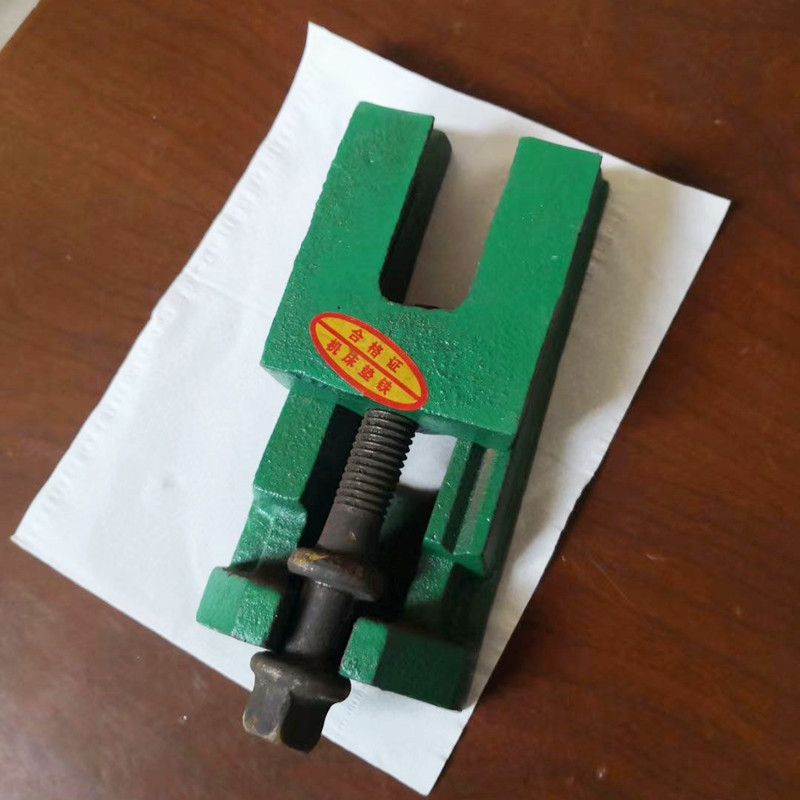
welding table total tools
The Essential Role of a Welding Table in Tool Management and Efficiency In the realm of metalworking
Welding Fabrication Techniques and Best Practices for Efficient Projects
Understanding the Importance of Welding Fabrication Tables in the Industry Welding fabrication table

Valvola di ritegno di mezzo pollice
Valvole di controllo da mezzo pollice Funzioni e applicazioni Le valvole di controllo da mezzo polli
 English